Panasonic TH-58PZ700U 58-Inch 1080p Plasma HDTV
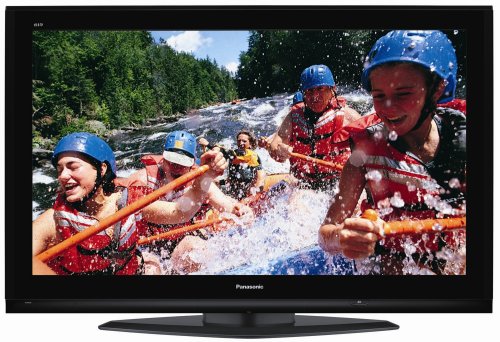 The extremely high 1920 x 1080 pixels of this plasma TV allows for its incredible 1080p High-Definition Resolution display capability for superior detail and extraordinary HDTV reproduction. Use EZ Sync HDAVI Control with your HDMI connectors. EZ Sync HDAVI Control lets you operate all of your home theater components by pressing a single button on your TV's remote control. You can even share Digital Photos on the Big Screen Share your JPEG photos taken with a Lumix digital camera on your Panasonic plasma using the built-in SD card slot. Simply insert the SD card, which is about the size of a postage stamp, into the SD slot on the TV and enjoy a photo slideshow with Photo Viewer. Video Noise Reduction Motion Adaptive 3D-Y/C Digital Comb Filter Color Purity Optimizer (3D Color Management) Sub-Pixel Controller Motion Pattern Noise Reduction 4 Speakers - 2 woofers - 8 ohms, 55 Hz - 350Hz, 10% THD, 2 tweeters - 8 ohms, 350Hz - 17kHz, 10% THD 31W Output Power V-Chip Program Lockout Built-In Closed Caption Decoder Video Input Labeling Power Supply - AC 120 V, 60 Hz Ports - 2 Rear HDMI-HDCP Interface, 2 Rear Analog Audio Input for HDMI, 3 Composite Video Input (2 rear, 1 front), 3 S-Video Input (2 rear, 1 front), 3 Audio Input for Video (2 rear, 1 front), Mini D-sub 15-pin rear PC Input (RGB-VGA), Audio Input for PC (M3 Stereo Plug), 2 Rear Component Video Input, 2 Rear Audio Input for Component Video, 1 Rear Composite Video Output, 1 Rear Audio Output & 1 Optical Digital Audio Out Dimensions - Height 36.1 x Width 57.3 x Depth 5.6 inch Weight - 165.3 pounds
Customer Review: Beware Panasonic
I bought a Panasonic plasma 2 years ago and it died for no reason. It will now cost $2000 for the board just to fix it. The TV repairman said he has never seen such a high cost for a replacement board. Multiple different board tried without luck. Still waiting.
Customer Review: Astounding Picture!
I am continually amazed by the picture quailty of this TV. I'm using generic HDMI 1.3 cables with an HDMI 1.3-compliant AVR, a HD DVR, a PS3 and an upscaling DVD player. In 10 months, I have had no problems with the TV (yes, the built-in speakers don't have decent sound, but if you can afford this TV, you shouldn't be using the built-in speakers). Previously, I had a 50-inch Panasonic plasma that died unexpectedly, shortly after the warranty expired. Panasonic customer service was pretty good. They asked me to get a repair quote and submit it to them (prognosis was a bad power supply board). They authorized the repair, and all I paid for was the initial estimate ($75 out of $575). Yes, I agree with generally everyone that there should be a 3-5 year warranty included with such a fine and expensive TV.
Most homes and apartment buildings are simply not constructed with shared walls treated to block noise from being transmitted between rooms. Their shared walls, in fact, actually assist sound travel, and the best way to prevent unwanted noise from passing from room to room in your home is to treat the common walls so that they no longer conduct it. How is that done?
Adding Density
If you want to keep sound from being transmitted through the walls of your rooms (a process also known as noise bleed) you will have to isolate the rooms from one another by first adding to the density of the existing walls with MLV, or mass loaded vinyl sound blocking material which you will nail or tape over the surfaces of the walls you wand soundproofed. This MLV will help prevent your walls from vibrating and conducting sound waves.
Disconnecting Shared Walls
Once their existing walls have been covered with the MLV, you can proceed to isolate each of the rooms you want soundproofed by disconnecting the walls they share. These shared walls are the primary conduits by which the sound waves to pass from room to room.
You will actually be building new walls in front of the shared walls in each room, and the space between he new and existingv will collapse the sound waves which enter it. The sound which actually makes it through will be significantly less than it was when it left its source. You will create your new walls by adding horizontally positioned furring strips at even intervals from the floor to the ceiling of your room, and covering them with sections of drywall.
Doubling Your Results
You can further prevent noise bleed between your rooms by using more soundproofing materials. Sealing the joints of your ceilings, floors, and walls with a high-grade acoustical caulk, and adding extra layers of both MLV and new drywall will further reduce your noise bleed.
If, for example, you use two layers of MLV (which are not in contact) over your existing soundproof walls, and overlap the seams of each layer by at least 1/2", sealing the overlaps and the perimeters of each layer with the acoustical caulk and PVC seam sealing tape, your make the existing wall much more soundproof. If you then add a third layer of drywall separated form the second layer, you'll create a second dead space to collapse whatever sound vibrations make it through the first one!
While no soundproofing techniques can completely stop noise bleed through common walls, adding density and disconnecting your shared wall surfaces will come as close to doing so as you can reasonably expect!
You can also find more info on sound wave transmission. Soundproofingbliss.com is a comprehensive resource which provide information about sound proofing item.
cheap plasma TV
posted by Ronald Bell at
1:18 AM


0 Comments:
Post a Comment
Subscribe to Post Comments [Atom]
<< Home